


Agrowow 200 L stainless steel coal-fired potato steamer
 Description
Want to determine the specifications and customize a meadow harrow to your individual needs?
Contact our sales engineer!
Email address: sklep@agrowow.pl
We will gladly help you choose the right configuration and answer any questions you may have.
- Manufacturer: Agrowow
- Catalogue number: RM200LN
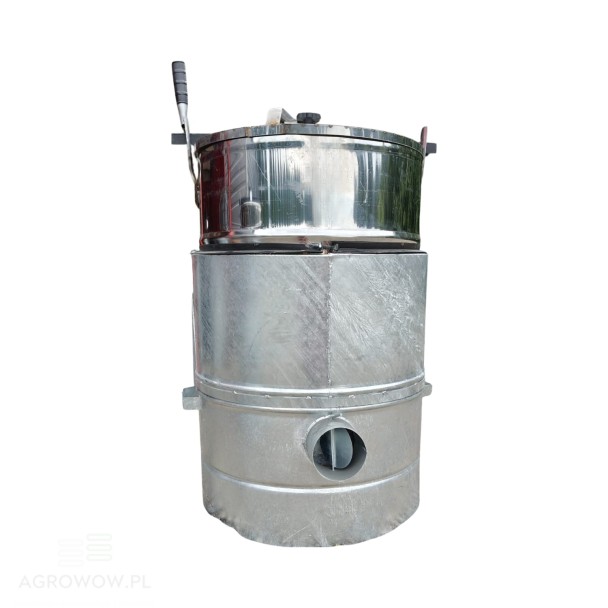
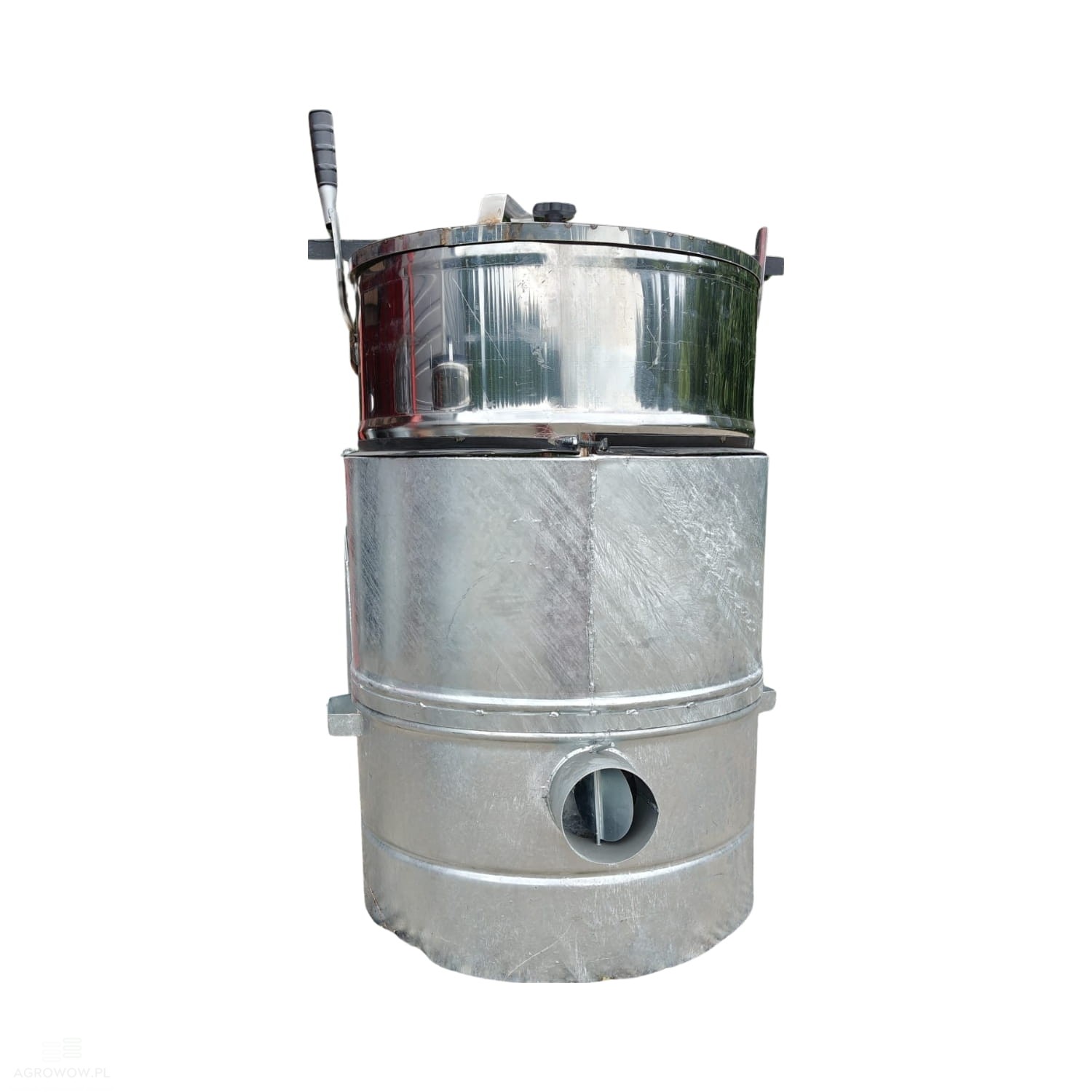
- Manufacturer's name: Stainless steel coal-fired boiler / potato steamer
- Capacity: 200 L
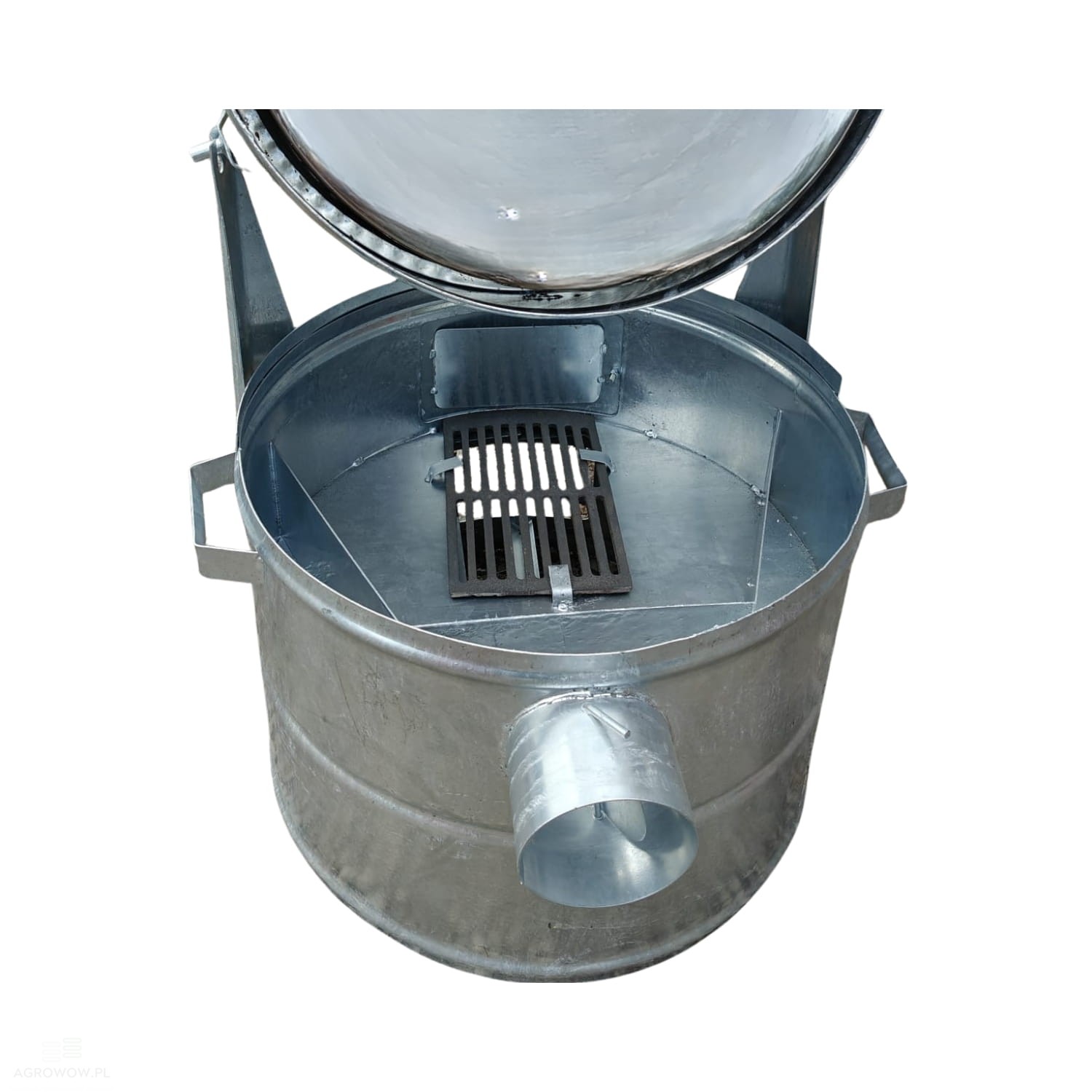
- Lower casing / Firebox: Galvanized
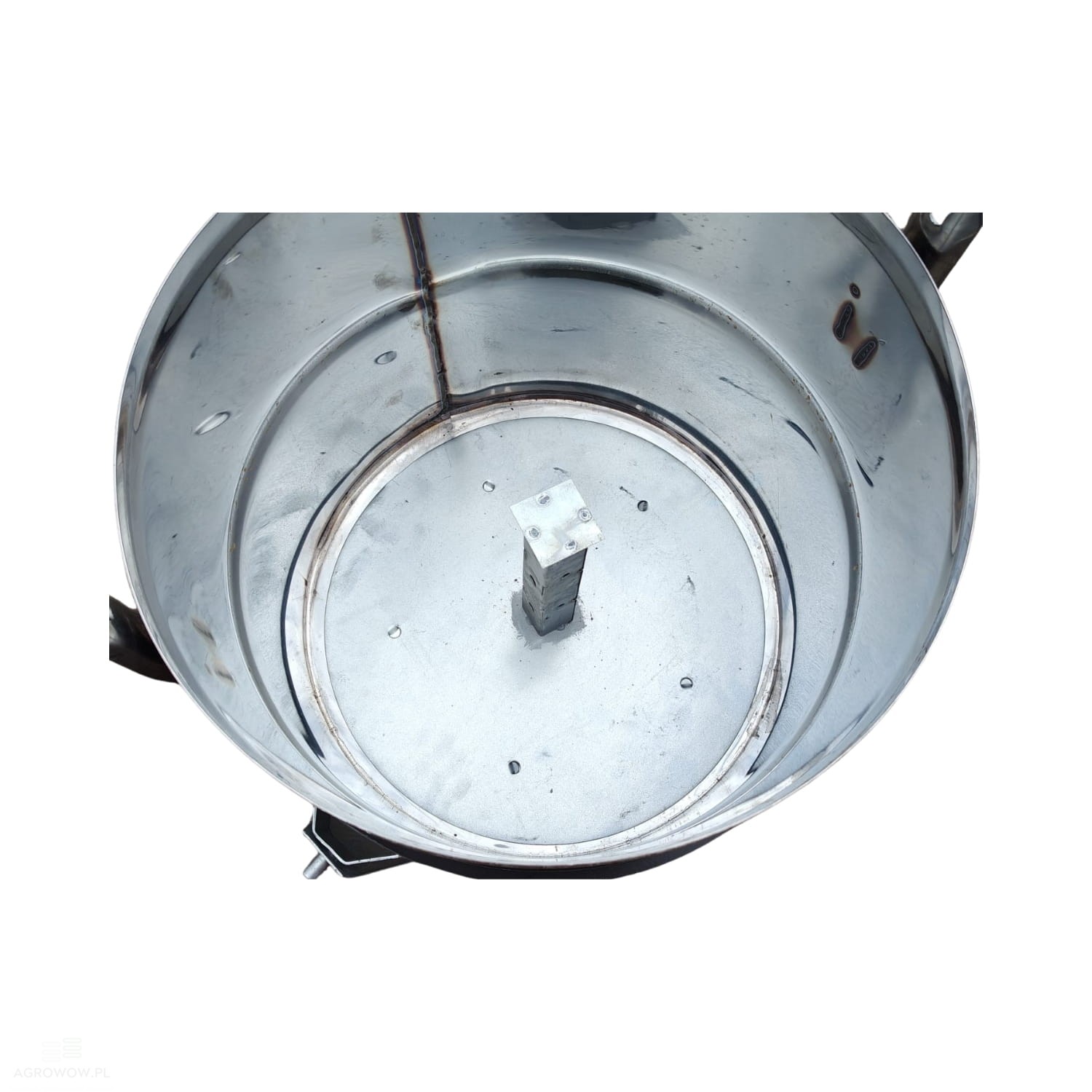
- Upper tank / Boiler: Stainless steel
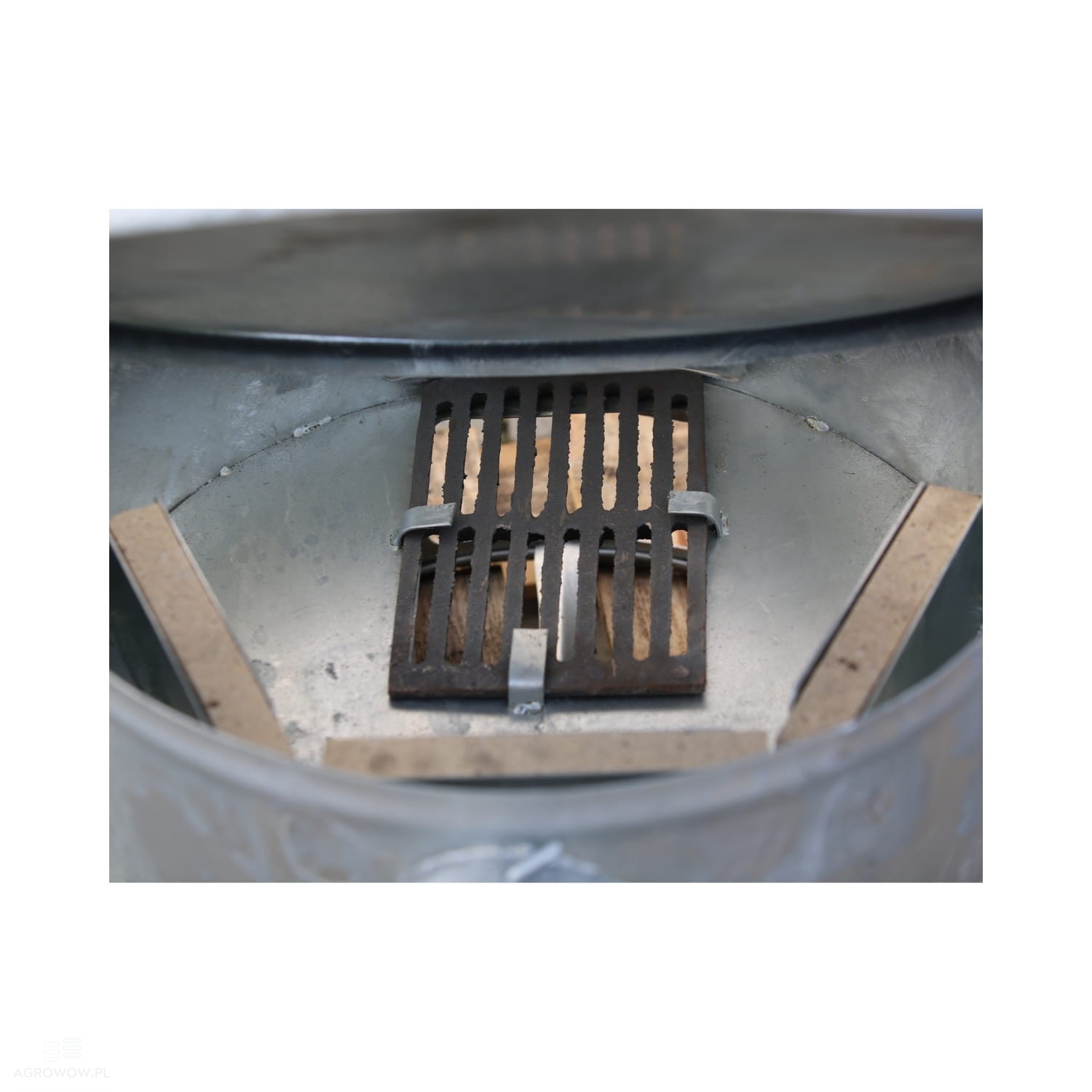
- Firebrick inserts
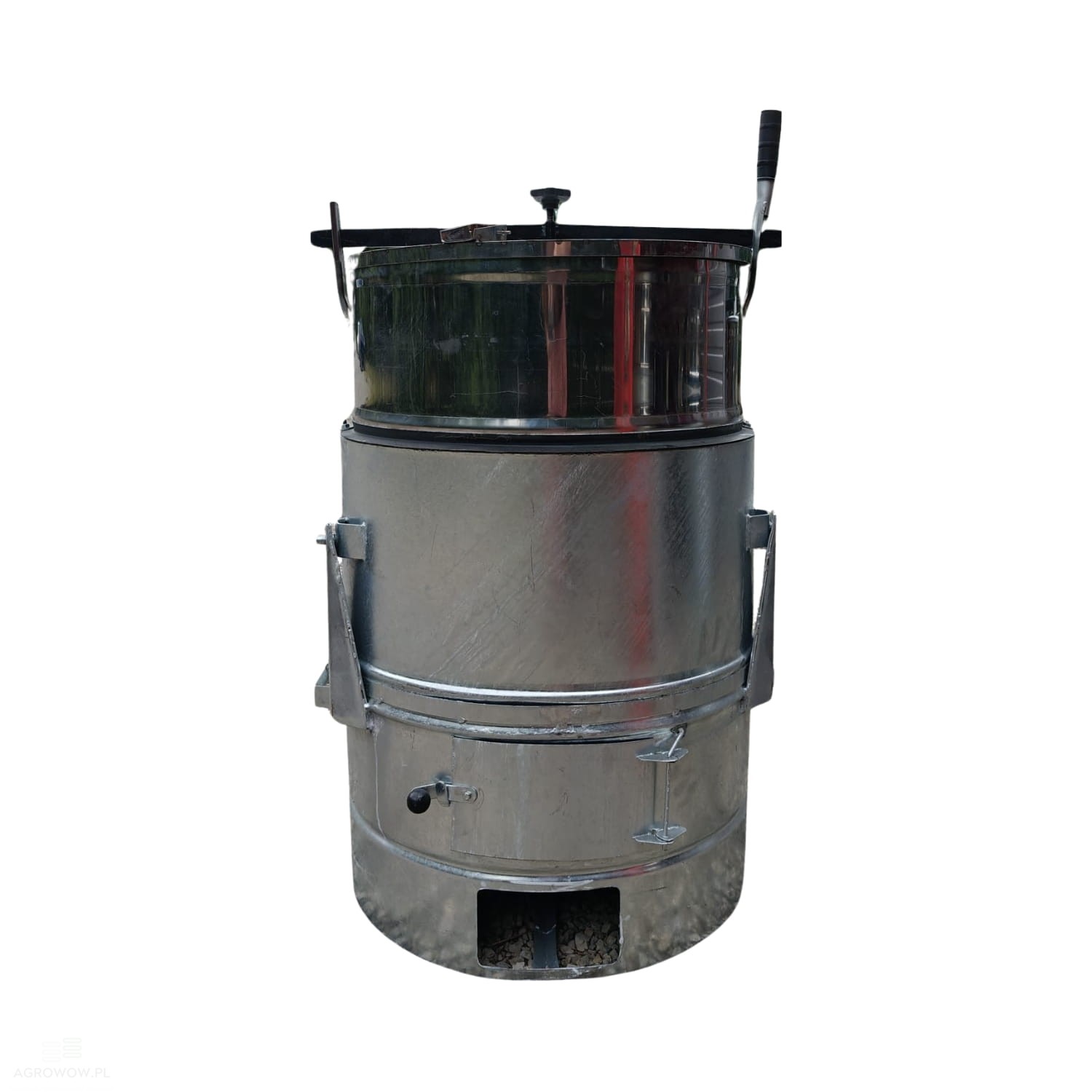
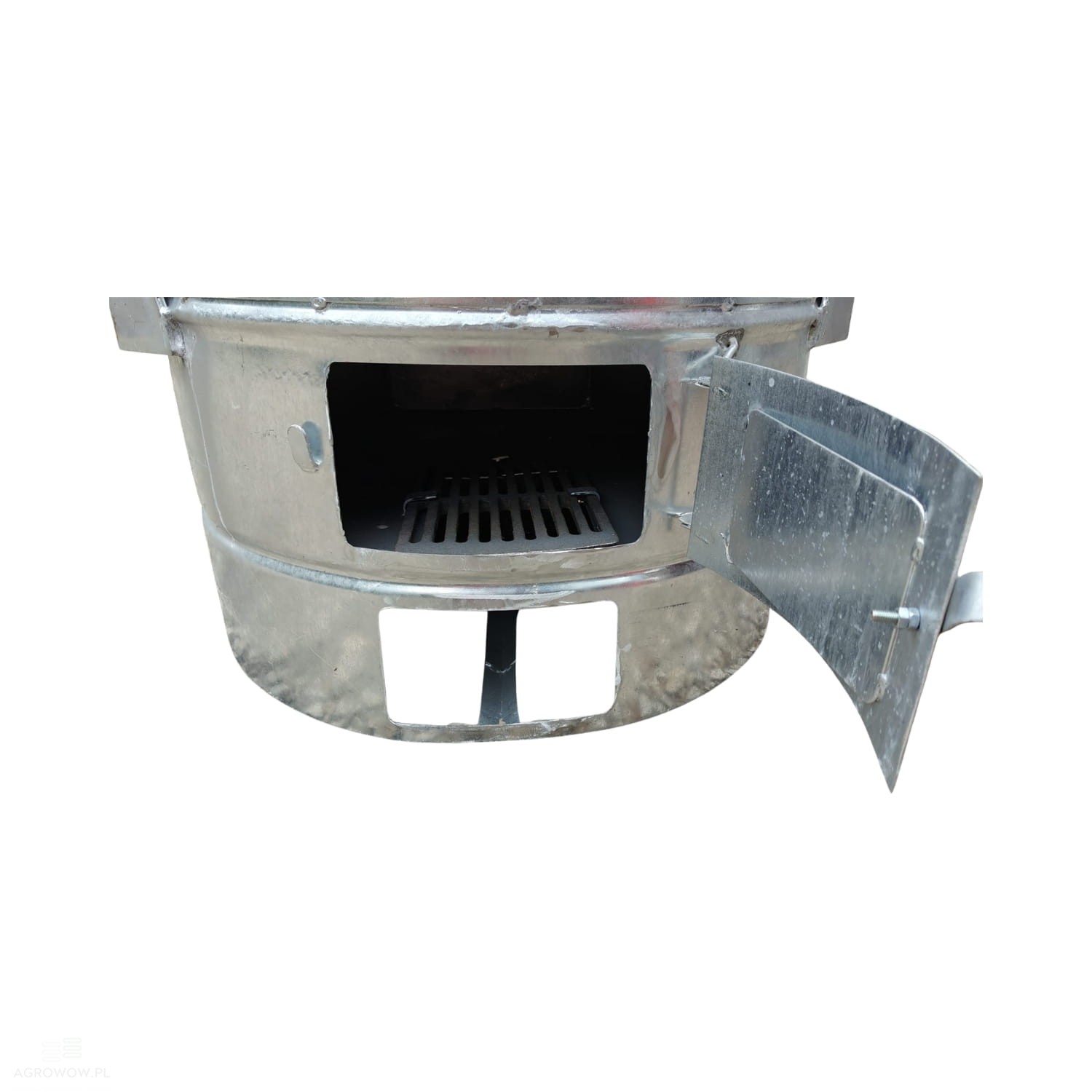
- Pull-out ash pan
- Popielnik wysuwany
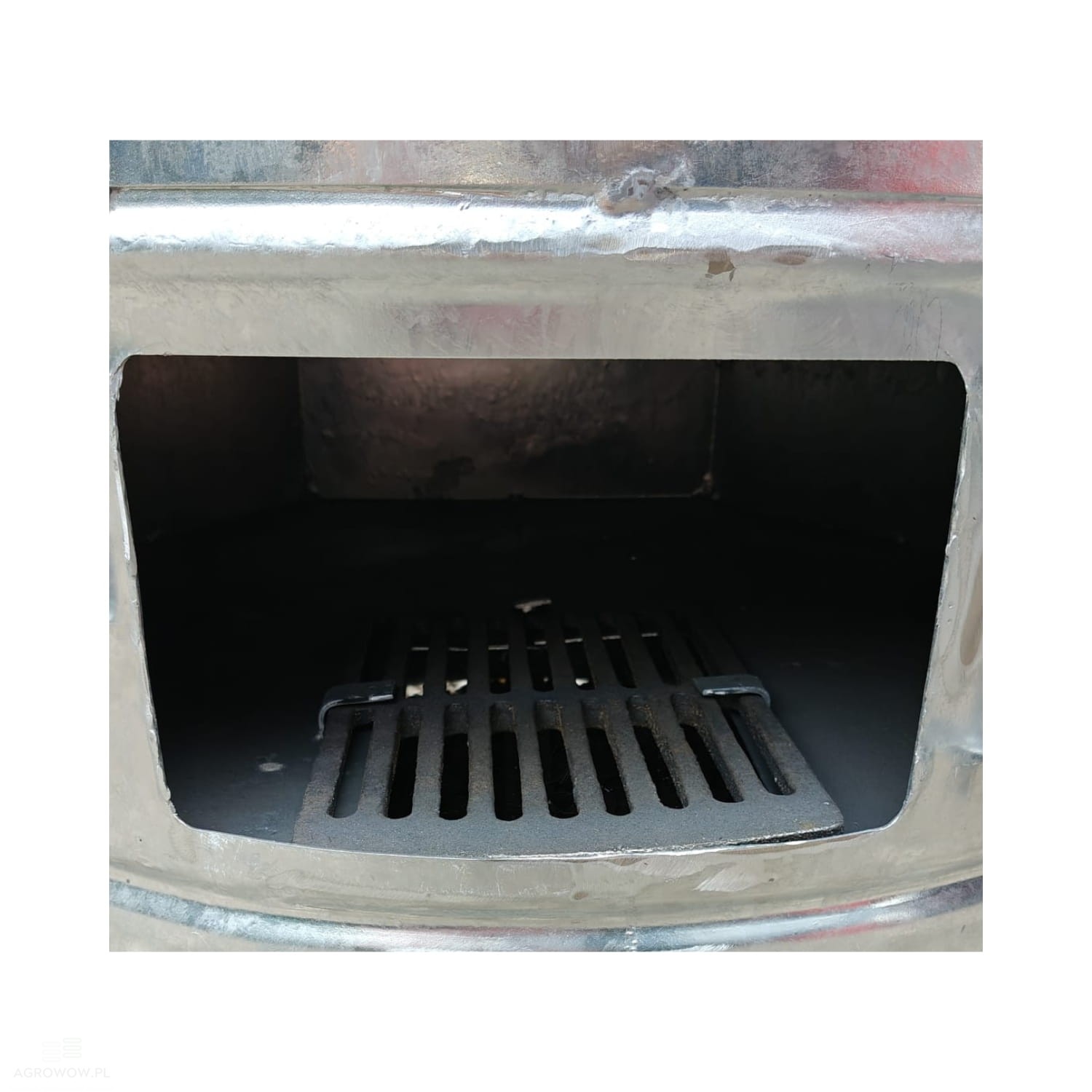
- Grate made of heat-resistant material
- Comfortable lifting ears
- Opening handle protected with a special rubber
- Hinge with a special safety handle
Detailed description:
- The 200 L potato steamer is a solid and functional device that has been designed for the efficient preparation of potatoes as a valuable feed for pigs and poultry.
- The Agrowow coal-fired steamer is manufactured entirely in Poland, in a craft workshop with over 35 years of tradition, which guarantees its reliability and the highest quality of workmanship.
- The device is made of durable materials, which ensures a long service life, efficiency, and trouble-free use in daily work on the farm.
- This model combines traditional methods of feed preparation with modern technologies.
- The lower part of the steamer is hot-dip galvanized, which provides exceptional corrosion resistance, and the upper part made of stainless steel additionally increases the durability of the entire structure.
- Inside the device, there is an insert made of firebrick, which maintains a stable temperature, increasing the efficiency of steaming potatoes and ensuring their even preparation.
- Thanks to this, the feed is valuable and has a beneficial effect on the health and growth of animals.
- The steamer is equipped with a pull-out ash pan, which makes it much easier to clean, and a grate made of heat-resistant material, which increases safety and efficiency of use.
- Special protected hinges and handles covered with rubber guards ensure convenience and safety when operating the device in various conditions.
- Practical handles make it easy to move the steamer, and all welds and joints have been additionally hot-dip galvanized, which increases resistance to mechanical damage and atmospheric factors.
- The potato steamer with a capacity of 200 L is adapted to work on solid fuels, such as coal, wood, or peat, which makes it economical and easy to operate.
- For people who prefer modern solutions, it is possible to use a gas burner, which simplifies operation and allows for reducing operating costs.
- Optionally, the steamer can be equipped with pipes and elbows that allow for safe discharge of exhaust gases, which additionally increases its functionality.
- Solid construction, thoughtful solutions, and a wide range of applications make the potato steamer ideally suited for farms that use traditional methods of animal feeding.
- This device enables fast, economical, and ecological feed preparation, while meeting the highest quality standards.
- The Agrowow coal-fired steamer is an indispensable piece of equipment for every farm, which will meet the expectations of even the most demanding users.
Frequently Asked Questions - FAQ
1. Is the stainless steel used for the production of steamers additionally galvanized?
No, these are two different types of materials. Stainless steel has rust resistance in its chemical structure and does not require galvanization. It is much more durable and more aesthetic than galvanized steel.
2. How many years does a galvanized boiler in a farm steamer last with regular use?
The durability of the zinc coating depends on the intensity of use and care for cleanliness. On average, a galvanized boiler serves from 5 to 10 years, after which the protective layer may begin to wear off, leading to corrosion of the sheet metal.
3. Is it safe to cook food and feed containing natural acids in a steamer with a stainless steel boiler?
Yes, stainless steel is acid-resistant. It does not react with fruit acids, brines, or silage, which makes it the safest and most hygienic choice for contact with food.