


A weeder harrow is an essential piece of equipment in modern agriculture that effectively eliminates weeds without the need for chemical agents. Through precise soil loosening, it improves soil structure, increases aeration, and supports healthy plant growth. It is suitable for cereal, vegetable, and root crop cultivation. Choose a model tailored to your needs and enjoy more efficient work.
Dexwal 1.5 m weeder harrow
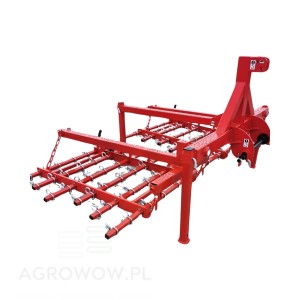
- Manufacturer: Dexwal
- Catalogue number: DL15CHW
- Manufacturer's name: Weeder harrow
- Width: 1500 mm
- Number of sections: 1
- Number of rows: 6
- Folding system: mechanical
- Number of tines per section: 48
- Tine size: 7 mm
Availability: Dostępny
Dexwal 3.0 m weeder harrow
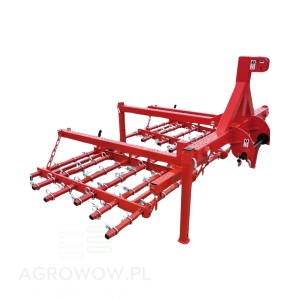
- Manufacturer: Dexwal
- Catalogue number: DL30CHW
- Manufacturer's name: Weeder harrow
- Width: 3000 mm
- Number of sections: 2
- Number of rows: 6
- Folding system: mechanical
- Number of tines per section: 48
- Tine size: 7 mm
Availability: Dostępny
Dexwal 4.5 m weeder harrow
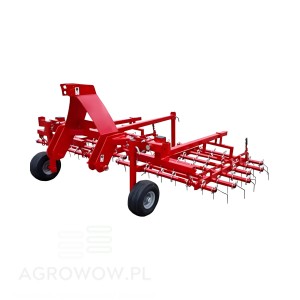
- Manufacturer: Dexwal
- Catalogue number: DL45CHW
- Manufacturer's name: Weeder harrow (Chwastownik)
- Width: 4500 mm
- Number of sections: 3
- Number of rows: 6
- Folding system: hydraulic
- Hydraulic cylinders: 2
- Number of tines per section: 48
- Tine size: 7 mm
Availability: Dostępny
Dexwal 6.0 m weeder harrow
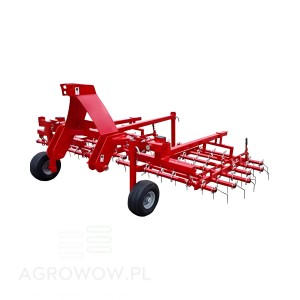
- Manufacturer: Dexwal
- Catalogue number: DL60CHW
- Manufacturer's name: Weeder harrow
- Width: 6000 mm
- Number of sections: 4
- Number of rows: 6
- Folding system: hydraulic
- Hydraulic cylinders: 2
- Number of tines per section: 48
- Tine size: 7 mm
Availability: Dostępny
Dexwal 7.5 m weeder harrow
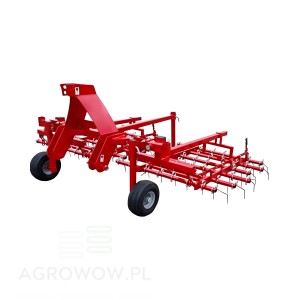
- Manufacturer: Dexwal
- Catalogue number: DL75CHW
- Manufacturer's name: Weeder harrow
- Width: 7500 mm
- Number of sections: 5
- Number of rows: 6
- Folding system: hydraulic
- Hydraulic cylinders: 2
- Number of tines per section: 48
- Tine size: 7 mm
Availability: Dostępny
Dexwal 9.0 m weeder harrow
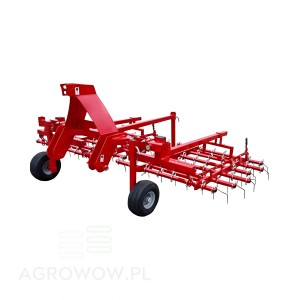
- Manufacturer: Dexwal
- Catalogue number: DL750CHW
- Manufacturer's name: Weeder harrow
- Width: 9000 mm
- Number of sections: 6
- Number of rows: 6
- Folding system: hydraulic
- Hydraulic cylinders: 2
- Number of tines per section: 48
- Tine size: 7 mm
Availability: Dostępny
Weeder – an effective weapon against weeds in modern agriculture
A weeder is an essential tool in modern agriculture, especially for farms striving for sustainable and ecological production. It is used for the mechanical control of weeds in field crops, eliminating the need for chemical herbicides that can negatively impact the environment and consumer health. The weeder operates on the principle of shallow soil cultivation and weed destruction by pulling them out or burying them with soil, which effectively inhibits their growth and spread. In the construction of the weeder, spring-loaded tines play a key role, as they are responsible for interacting with the soil and weeds. These tines are flexible, allowing their operation to be adjusted to uneven terrain and various soil conditions. As a result, the weeder can work effectively on both light and heavy soils without damaging the cultivated crops. Using a weeder contributes to improving soil structure by aerating it and increasing the activity of soil microorganisms. Furthermore, mechanical weed removal has a positive impact on soil water retention, which is particularly important during periods of drought.
Ecological methods of weed control – weeders on the front line
Weeders are a group of agricultural machines designed for the mechanical control of weeds in field crops. In the face of growing environmental awareness and restrictions on the use of chemical plant protection products, weeders are gaining popularity as an effective and eco-friendly alternative. Thanks to the variety of available models and configurations, weeders can be adapted to the specific needs of different crops and soil conditions. The primary element of weeders is the spring tine, which penetrates the soil to a shallow depth during operation, destroying young weed seedlings. The flexibility of the tines allows for adaptation to uneven terrain and avoids damage to the cultivated plants. Some models are additionally equipped with finger sections or brushes, which increase efficiency, especially in crops with narrow inter-row spacing. Weeders are used in a wide spectrum of crops, including cereals, corn, potatoes, vegetables, and even specialized crops such as strawberries or garlic. Their use contributes to improving plant growth conditions by increasing the availability of water and nutrients that would otherwise be used by weeds. Furthermore, mechanical weed control promotes the activity of soil microorganisms and improves soil structure. The choice of the appropriate weeder depends on many factors, such as the type of crop, row spacing, soil type, and the tractor equipment available.
6m Harrow – Fast and Efficient Cultivation of Large Areas
A 6m harrow is an agricultural machine designed for the efficient and rapid cultivation of large field areas. Due to its width, a 6m harrow allows for a significant reduction in working time, which is particularly important during peak field work periods when optimal use of available "weather windows" is crucial. This type of harrow is used for various agrotechnical tasks, such as loosening the soil, breaking up clods, leveling the surface, and mechanical weed control. When combined with a weeder function, the 6m harrow becomes a versatile tool that can be used in cereal, vegetable, and root crop cultivation. The design of the 6m harrow is based on a solid frame to which working sections with tines or springs are attached. These elements can be adjusted for depth and angle of attack, allowing the machine's operation to be adapted to specific soil conditions and crop needs. Some models are equipped with hydropneumatic systems that enable smooth adjustment of parameters while driving. The large working width of the 6m harrow requires appropriate tractor power and consideration of transportation on public roads. Many modern machines of this type feature hydraulic folding systems, which allow for a reduction in transport width to meet safety requirements. The benefits of using a 6m harrow include not only time savings but also improved quality of field work. Uniform cultivation across the entire width of the machine ensures consistent growth conditions for plants, which can translate into better yields. Additionally, mechanical weed control using such a harrow allows for the reduction of chemical agents, which is beneficial for both the environment and the farm's economy.
Weeder Harrow – Mechanical Weed Control and Soil Improvement
A weeder harrow is a specialized tool that combines the functions of a classic harrow and a weeder, designed for effective mechanical weed control in various agricultural crops. Thanks to its design, the weeder harrow allows for simultaneous soil loosening, weed destruction, and improvement of the field surface structure, which fosters better development of cultivated plants. The key elements of the weeder harrow are flexible spring-loaded or finger-style tines that penetrate the soil to a shallow depth. During operation, these tines pull out or damage young weed seedlings without causing significant harm to established crop plants. By adjusting the pressure and working angle of the tines, the machine can be adapted to different types of crops and their growth stages. The use of a weeder harrow is particularly effective in organic farming, where the application of chemical herbicides is restricted. Mechanical weed control contributes to increased soil fertility and microorganism activity, which has a positive impact on crop yields. Furthermore, this method reduces the risk of weeds developing resistance to chemical agents, which is a significant problem in modern agriculture.
Ideal Solution for Smaller Farms – Advantages of a 3m Harrow
A 3m harrow is a compact and versatile agricultural tool with a three-meter working width, ideal for small and medium-sized farms. Thanks to its size, the 3m harrow is easy to maneuver and can be effectively used in fields with varied surface areas, including areas with limited space or uneven terrain. This type of harrow is used for basic agrotechnical tasks, such as loosening the soil, breaking up clods, leveling the surface, and mechanical weed control. It can be equipped with spring-loaded tines, finger-style tines, or disc elements, depending on the needs and specifics of the crop. Adjusting the depth and pressure allows for adapting the harrow's operation to soil conditions and the requirements of the cultivated plants. The 3m harrow is particularly useful in specialized crops, such as vegetables, strawberries, or root crops, where precision and delicacy are key. It can also be used in orchards and vineyards, where the space between rows is limited. Its compact size facilitates transport and storage, which is important for farms with smaller infrastructure. Another advantage of the 3m harrow is the lower tractor power requirement compared to larger machines, which allows for efficient use of existing equipment. For many farmers, this means the possibility of carrying out necessary agrotechnical procedures without the need to invest in large tractors or machinery.
How to Reduce Weeds Without Chemicals – Weeder for Cereals
A weeder for cereals is a specialized tool designed for the mechanical control of weeds in cereal crops, such as wheat, barley, rye, or oats, as well as corn. This device allows for weed management during the initial stages of plant growth, when competition from weeds can significantly reduce yields. The operation of a cereal and corn weeder is based on gently loosening the soil surface and damaging young weed seedlings, which leads to their destruction or growth inhibition. It is crucial to maintain safety for the cultivated plants, which, due to their stronger growth and deeper roots, are less susceptible to the machine's impact. Using a weeder in cereal crops contributes to reducing the application of chemical herbicides, which is beneficial for both the environment and consumer health. Furthermore, mechanical weed control can prevent the development of weed resistance to chemical agents and support the biodiversity of soil organisms. In practice, a cereal and corn weeder is used at specific plant growth stages, usually from the tillering phase to the beginning of stem elongation. Precise adjustment of operating parameters, such as depth and speed, is important to ensure effectiveness without harming the crop. Modern weeders are often equipped with adjustment and monitoring systems that facilitate the operator's control over the process.
Strawberry Weeder – Precision Plantation Maintenance
A strawberry weeder is a tool designed for the maintenance of strawberry crops, which are plants that require special attention due to their sensitivity and specific care requirements. Competition from weeds can significantly reduce the quality and size of yields, which is why their effective control is crucial for the success of the cultivation. This device enables the mechanical removal of weeds between strawberry rows while minimizing the risk of damaging delicate plants. Strawberry weeders are equipped with precision working elements, such as flexible tines or special discs, which allow for operation in narrow spaces and adaptation to uneven terrain. Using a weeder in strawberry crops contributes to improving growth conditions by increasing soil aeration and loosening it. Mechanical weed control also eliminates the need for chemical herbicides, which is particularly important in the case of soft fruits, where residues of chemical agents can pose a threat to consumer health. It is important that the operations are performed at the appropriate times, usually before flowering and after harvest, to avoid damaging flowers and fruits. Adjusting the machine's operating parameters to the strawberry's development phase and soil conditions is crucial for the effectiveness and safety of the procedure.
Indispensable for Organic Vegetable Farming – Vegetable Weeder
A vegetable weeder is a versatile tool designed for mechanical weed control in various vegetable crops. Due to their sensitivity and species diversity, vegetables require a specialized approach to weed protection. Mechanical weed control using a weeder allows for ecological farming, reducing the need for chemical herbicides. The device is designed to work in inter-row spaces of varying widths, which are often adjustable according to specific needs. Equipped with various working elements, such as spring-loaded tines, fingers, or weeding discs, the weeder can be adapted to the specific crop, soil type, and plant growth stage. Using a weeder in vegetable cultivation contributes to improved soil conditions by loosening and aerating the soil. It eliminates competition from weeds for water and nutrients, which is particularly important for fast-growing, nutrient-demanding vegetables. The challenges associated with using a weeder in vegetable farming include the need for precise operation and consideration of the differences in plant morphology and spacing. Therefore, it is important that operators are well-trained and experienced in these types of procedures.
Czosnek bez chwastów – skuteczne narzędzia dla plantatorów - chwastownik do czosnku
Chwastownik do czosnku to sprzęt przeznaczony do pielęgnacji upraw czosnku, rośliny o wysokiej wartości odżywczej i zdrowotnej, ale jednocześnie wymagającej szczególnej troski w zakresie ochrony przed chwastami. Ze względu na delikatny system korzeniowy i wrażliwość na konkurencję ze strony chwastów, mechaniczne zwalczanie niepożądanej roślinności jest kluczowe dla uzyskania wysokiej jakości plonów. Urządzenie działa poprzez płytkie spulchnianie gleby między rzędami czosnku, niszcząc chwasty bez uszkadzania uprawianych roślin. Precyzja jest tutaj kluczowa, dlatego chwastowniki do czosnku wyposażone są w specjalne prowadnice i elementy robocze, które umożliwiają pracę nawet w wąskich międzyrzędziach. Regulacja głębokości i prędkości pracy pozwala na dostosowanie zabiegu do aktualnych warunków polowych. Stosowanie chwastownika w uprawach czosnku przynosi wiele korzyści. Pozwala na ograniczenie stosowania herbicydów, co jest istotne ze względu na bezpieczeństwo konsumentów i wymogi związane z produkcją żywności wysokiej jakości. Ponadto, mechaniczne zwalczanie chwastów sprzyja lepszemu napowietrzeniu gleby i zwiększa aktywność mikrobiologiczną, co pozytywnie wpływa na wzrost i rozwój czosnku. Wyzwania związane z zastosowaniem chwastownika w czosnku obejmują konieczność precyzyjnej pracy i uwzględnienia fazy rozwoju roślin. Dlatego ważne jest, aby operatorzy maszyn byli dobrze przeszkoleni i posiadali doświadczenie w tego typu zabiegach.
Potato Weeder – Higher Yields Without Unnecessary Weed Competition
A potato weeder is designed for mechanical weed control in potato crops, which are plants of significant economic and nutritional importance. Weeds in potato cultivation are a serious problem, as they compete with crops for light, water, and nutrients, which can lead to significant yield reductions. The device works by loosening the soil between potato rows and destroying weeds by pulling them out or burying them with soil. Potato weeders are often equipped with additional elements, such as ridgers, which form ridges that promote tuber development and prevent them from turning green. Using a weeder in potato crops has many advantages. Beyond reducing the use of chemical herbicides, which is beneficial for the environment and consumer health, it improves soil structure and increases its aeration. Mechanical weed control can also contribute to a reduction in soil-borne diseases by improving sanitary conditions in the field. It is important that the procedures are carried out at the appropriate time, usually before the potato rows close, to avoid damaging the plants. Adjusting the machine settings to the row spacing and soil conditions is crucial for the effectiveness of the procedure.
Pastures Without Unwanted Plants – Meadow Weeder
A meadow weeder is a device designed for the maintenance of grasslands, such as meadows and pastures. Its primary task is the mechanical control of weeds and unwanted vegetation, which can reduce the nutritional value of animal feed and negatively affect the structure and productivity of the meadows. The operation of a meadow weeder is based on shallow soil loosening and damaging weeds by pulling them out or burying them with soil. The device is equipped with flexible tines or fingers that adapt to uneven terrain and allow for work without damaging the sod. Using a meadow weeder contributes to improving the botanical composition of the meadow sward, promoting the growth of valuable grass species and legumes. It also improves soil aeration, which favors the development of the root system of plants and increases their resistance to environmental stresses, such as drought or low temperatures. Regular maintenance of meadows using a weeder can lead to increased biomass yields and improved feed quality, which is important for the efficiency of livestock production. Furthermore, mechanical weed control is in line with the principles of organic and sustainable agriculture, limiting the need for the use of chemical agents.
Meadow Harrow Effectively Maintains Lush Meadows
A meadow harrow is a specialized tool designed for the maintenance of meadows and pastures, aimed at improving the surface structure of the soil and the botanical composition of the sward. Its application contributes to increased yields of green mass and improves the quality of feed for livestock. The device works by loosening the soil surface, breaking up the sod, and removing dead plant residues. Equipped with flexible spring-loaded tines or chains, the meadow harrow is able to adapt to uneven terrain without causing damage to the vegetation. Regular use of a meadow harrow promotes the tillering of grasses and legumes, which increases the nutritional value of the meadow. The meadow harrow is also effective in controlling weeds and mosses that can compete with desirable plant species. By mechanically damaging and removing unwanted vegetation, the health and productivity of grasslands are improved. The use of a meadow harrow should be adapted to weather conditions and the growth stage of the plants. The best results are achieved in early spring when the soil is moist but not overly wet. This procedure can be combined with other practices, such as overseeding or fertilization, which further support the regeneration and development of meadows.
Flexibility and Effectiveness – How a Spring-Tine Harrow Affects the Soil
A spring-tine harrow is a universal agricultural tool designed for soil cultivation and the maintenance of various types of crops. Equipped with spring-loaded tines, it allows for effective soil loosening, clod breaking, surface leveling, and mechanical weed control. The spring-loaded tines are flexible and adapt to uneven terrain, which minimizes the risk of damage to the machine and the crops. Their vibrating action during operation promotes soil crumbling and improves its structure. A spring-tine harrow can be used both for pre-sowing cultivation and post-sowing to destroy weeds in the initial stages of plant growth. Adjusting the depth and angle of the tines allows the operation to be adapted to different soil types and crop requirements. This machine is particularly useful in cereal, corn, rapeseed, beet, and potato cultivation. It can also be used in the maintenance of grasslands. Using a spring-tine harrow brings benefits in the form of improved soil conditions, increased water retention, better aeration, and a reduction in the use of chemical agents. It is a tool that supports sustainable agricultural practices and improves production efficiency.
Hoe – Precision Inter-row Cultivation Without Chemicals
A hoe (cultivator) is an agricultural machine designed for mechanical weed control and soil loosening between the rows of cultivated plants. It is particularly useful in row crops, where precise inter-row maintenance is crucial for healthy plant growth and high yields. Hoes are equipped with various working elements, such as blades, tines, discs, or ridgers, which allow the operation to be adapted to the specific needs of the crop. They can be used in the cultivation of vegetables, corn, sugar beets, potatoes, or root crops. Using a hoe contributes to mechanical weed control, improved soil structure, increased aeration, and better water retention. By loosening the soil, the hoe supports the development of the plant root system and their resistance to environmental stress. Utilizing a hoe allows for a reduction in the use of herbicides, which is beneficial for the environment and consumer health. Precise and regular hoeing operations are key to the effectiveness of this method.
Shallow Tillage Without Plowing – Knife Harrow and Its Advantages
A knife harrow is an agricultural tool designed for shallow soil cultivation, weed control, and field preparation for sowing without the need for deep plowing. Equipped with rotating knives or cutting discs, the knife harrow effectively shreds crop residues, loosens the soil, and destroys weeds. Using a knife harrow helps retain soil moisture, reduces erosion, and improves soil structure. It is a tool particularly useful in conservation and no-till farming systems that support sustainable and ecological agricultural practices. The knife harrow can be used in various crops, including cereals, rapeseed, corn, or vegetables. Its efficiency depends on the correct adjustment of operating parameters, such as speed, depth, and the angle of attack of the knives.