


Categories
Availability
Price
-
from
to
Meadow and pasture cultivation requires specialized equipment that ensures healthy plant growth and efficient forage harvesting. In this category, you will find meadow harrows for leveling terrain, weeder harrows for weed elimination, rakes and tedders for forming and turning swaths, and agricultural mowers for efficient grass cutting. The proper selection of machines allows for increased yields, improved feed quality, and the maintenance of pastures in excellent condition.
Mulcher – An Indispensable Tool for Maintaining Meadows and Pastures in Excellent Condition
A mulcher is a key tool in meadow and pasture cultivation, enabling the effective shredding of plant residues, weeds, and shrubs. By mulching, we improve soil fertility by accelerating the decomposition of organic matter. The choice of the right mulcher, such as a flail or disc model, depends on the type of vegetation and the terrain. Regular use of a mulcher helps control weeds, increases yields and forage quality, and protects the soil from erosion. In meadow and pasture cultivation, mulchers are used to remove old grass, weeds, and post-mowing residues. The result is a uniform surface, which is particularly important for subsequent agrotechnical treatments.
Efficient Mowing and Shredding – Flail Mower for Intensive Field Work
A flail mower is an indispensable device in the cultivation of meadows and pastures, especially in areas with dense vegetation and thickets. Equipped with rotating flails, it effectively mows grass, weeds, and shrubs, ensuring even cutting. Thanks to its robust construction and height adjustment capability, the flail mower increases work efficiency, improves the quality of grasslands, and facilitates keeping meadows in excellent condition. Flail mowers are extremely efficient and versatile, which makes them very popular among farmers and companies involved in green space maintenance.
Even and Healthy Grass – Meadow Harrow for Maximum Pasture Efficiency
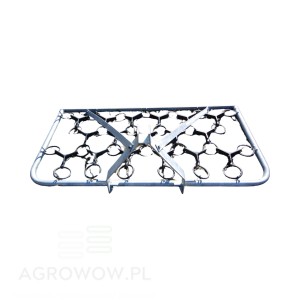
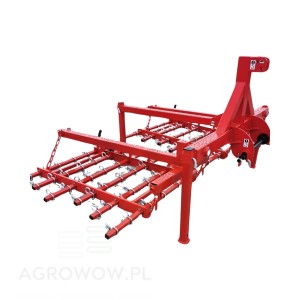
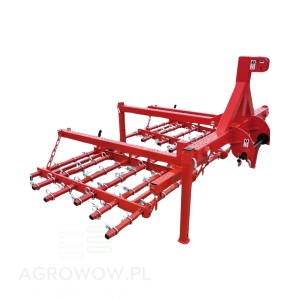
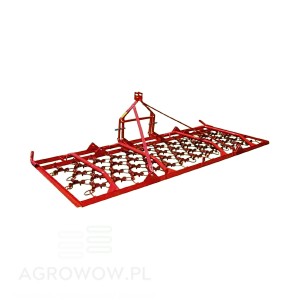
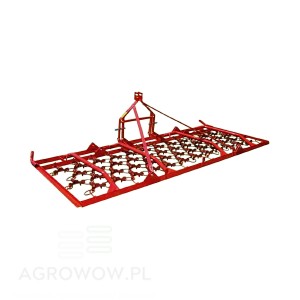
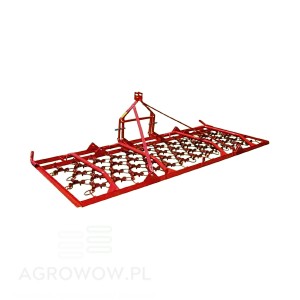
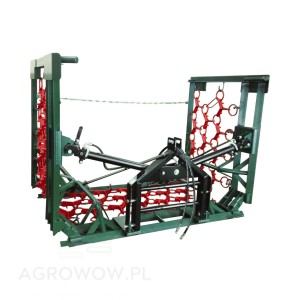
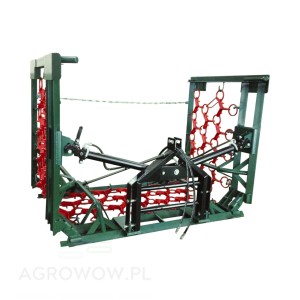
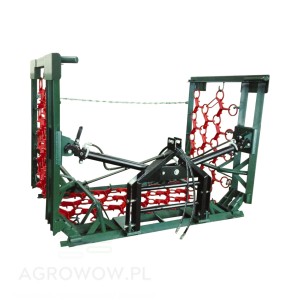
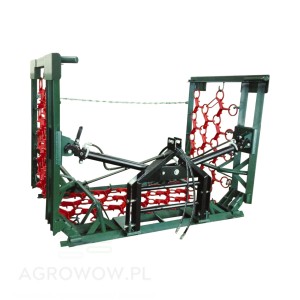
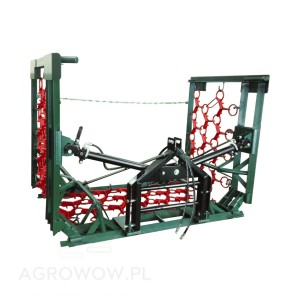
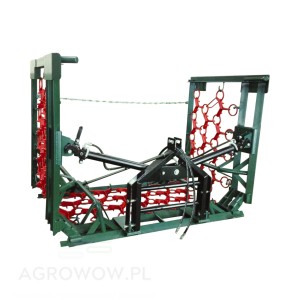
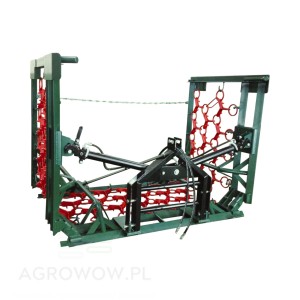
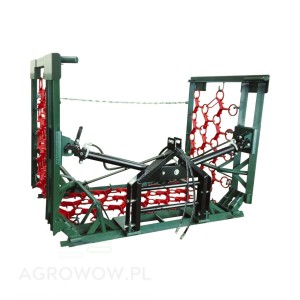
A meadow harrow is used to level the surface of meadows and pastures, as well as to remove irregularities and molehills. It improves soil structure, promotes better grass growth, and facilitates water absorption. Regular harrowing helps maintain meadows in optimal condition, increases the productivity of grasslands, and supports the health of animals grazing on pastures. The use of a meadow harrow is also important in the context of controlling the development of unwanted vegetation. Through the mechanical removal of young weed seedlings, the harrow contributes to maintaining desirable grass species on meadows and pastures.
Better Soil Structure and Higher Yields – Agricultural Harrow in Modern Farming
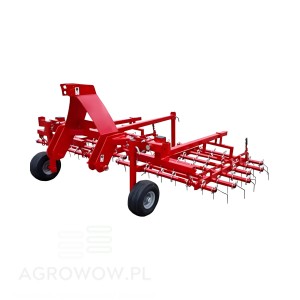
An agricultural harrow is a versatile tool used in the cultivation of meadows and pastures for loosening and leveling the soil. It helps break up the soil crust, improves aeration, and enables better absorption of fertilizers. Harrowing supports the growth of desirable forage plants, reduces soil erosion, and contributes to higher quality feed. Agricultural harrows are particularly useful in the spring, when the soil is still moist after the winter period. Performing harrowing during this time allows for faster soil warming and better aeration.
Ecological Weed Removal – Meadow Weeder Harrow for Clean Grasslands
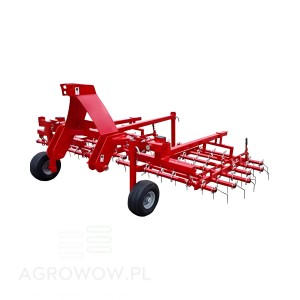
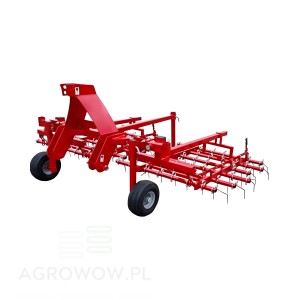
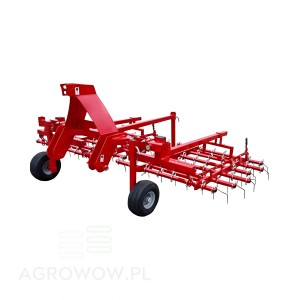
A meadow weeder harrow is a specialized device for the mechanical removal of weeds from meadows and pastures. By pulling weeds out along with their roots, it helps maintain clean grasslands without the need for herbicides. Using a weeder harrow increases the health of grasses, improves the quality of forage, and promotes ecological cultivation. The construction of the meadow weeder harrow is based on tines or claws that pull out weeds by their roots as it passes through the meadow. This is particularly effective for shallow-rooted and annual weeds.
Loss-Free Drying and Harvesting – Rakes and Tedders for Optimal Hay Production
Rakes and tedders are crucial in the process of harvesting hay and green forage. Rakes form windrows, facilitating subsequent collection, while tedders accelerate drying by spreading out the mown vegetation. Their use ensures high-quality forage, reduces losses, and increases the efficiency of field work. Tedding is particularly important in high-humidity conditions or during unfavorable weather, when it is necessary to dry the material quickly to prevent rotting processes and the loss of feed quality.
Gentle and Efficient Windrow Forming – Belt Rake for the Best Forage
A belt rake uses a belt system to gently transport and form windrows. It is ideal for harvesting valuable forage plants, minimizing the loss of leaves and flowers. It provides airy windrows, which accelerates drying and improves the quality of the hay. The belt rake is an excellent choice for farms that care about the highest quality of feed. Gently transporting the material using belts reduces the risk of damaging the plants, which translates into a higher content of protein and nutrients in the forage.
Fast and Uniform Drying – Rotary Tedder in Hay Production
A rotary tedder effectively spreads mown green forage, accelerating the drying process. The rotating working elements ensure an even distribution of the material, which is crucial in high-humidity conditions. Using a rotary tedder increases the quality of the hay and optimizes forage harvesting operations. Compared to traditional tedders, rotary models are characterized by greater performance and work efficiency. They are particularly useful in high-humidity conditions or during unfavorable weather when quick drying of the mown grass is a priority.
Reliable Mowing of Dense Grass – Drum Mowers for Professionals
Drum mowers are valued for their simple design and reliability. Equipped with rotating drums with blades, they effectively mow dense grasses, ensuring a clean cut. They are easy to operate and maintain, which makes them a popular choice among farmers striving for efficient mowing of grasslands. It is also important to adapt the mower to the terrain and the type of vegetation present on meadows and pastures. For areas with uneven terrain, it is worth considering models with ground-following systems, which ensure better adaptation to the surface and more precise mowing.
Precise Orchard Maintenance – Orchard Mowers for Efficient Cultivation
Orchard mowers are designed for mowing grass in orchards and vineyards, but they also find applications in pastures with obstacles. Their compact design and capability for precise maneuvering allow for efficient mowing around trees and bushes. They ensure accuracy and operational safety in difficult terrain conditions. Thanks to special guard and housing designs, orchard mowers protect trees and bushes from damage during mowing. Some models are equipped with swing arms or obstacle-avoidance systems, which allow for precise mowing around tree trunks without the risk of damaging them.
Versatile Mowing and Mulching – Flail Mowers for the Toughest Tasks
Flail mowers, also known as flail mulchers, excel at shredding grass, weeds, and shrubs. They allow for keeping meadows and pastures in excellent condition, with the shredded vegetation remaining on the soil as a natural fertilizer. Their versatility and effectiveness make them indispensable in professional grassland cultivation. Flail mowers are available in various design variants, including rear-mounted, side-mounted, and front-mounted models. The choice of the appropriate type depends on the specifics of the terrain, the type of work to be performed, and the tractor available.